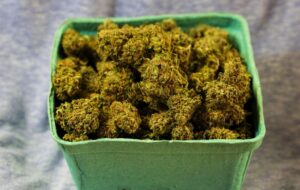
Growers enjoy to suggest about the most effective course to top rack THCA blossom. Some swear by sealed spaces, light recipes, and climate logs. Others point to hillside fields, deep dirt, and sunlight that no bulb can match. Both camps hit their marks for different reasons, and both can miss out on when information slide. I have actually spent adequate seasons around both configurations to know that the inquiry hardly ever has a solitary response. It comes down to resistance for threat, completion account you desire, which laws you have to meet, and what your customers value.
This piece walks through the profession room the way cultivators, cpus, and customers really consider it. Anticipate specifics: how vapor pressure deficit can make or break an indoor run, why exterior terpene expression in some cases outperforms GMP gloss, what issues to a laboratory when you want clean THCA blossom, and the actual expenses under the hood.
What we are truly comparing
“Indoor vs. outside” often tends to squash a complicated picture, so let’s establish the stage with working meanings that reflect how operators use these terms.
Indoor indicates closed or semi-sealed areas with a/c or HVACD, ecological controllers, carbon purification, and high-density lighting. The majority of contemporary builds utilize LED selections with wide range plus tunable far-red or UV, sometimes with additional carbon dioxide in between 800 and 1,400 ppm. Expanding media ranges from rockwool and coco to living soil beds in increased tables. Water usually goes through fertigation with automated application, drainage monitoring, and routine flushes. Lights-on routines and photon densities vary via veg and blossom, commonly coming to a head around 900 to 1,200 µmol/ m ²/ s in late flower for dialed-in genetics.
Outdoor suggests sun-grown plants in areas or greenhouses without full ecological seal. Some use hoop houses with light dep and roll-up sides. Others plant straight right into amended indigenous soil. Mother nature drives the photoperiod, temperature level swings, and pest stress. Farmers manage with website selection, wind breaks, row spacing, growing practices, and natural or traditional IPM. Flowering takes place as days shorten, and harvest timing goes to the mercy of very first frost, early rainfalls, or a stubborn late-season warm wave.
Greenhouse can blur the lines. A state-of-the-art greenhouse with supplemental light, light starvation, evaporative air conditioning, and CO2 feels closer to indoor in control, however it still takes a breath with the weather. For this comparison, I’ll describe greenhouse examples where they make clear a principle.
Potency, terpenes, and the shape of quality
When buyers request for THCA blossom, they typically go after three points: potency, nose, and framework. Strength gets top billing on a label, but repeat buyers ballot with their detects. Does it scent like the cultivar should? Does the bud hold a limited, resinous form without overdrying right into dust? Below’s exactly how expanding approach guides those outcomes.
Indoor reliably produces greater ordinary potency, specifically when the setting is steady. The reasons are straightforward. Daily light integral can be kept in a target band. Leaf surface area temperature remains in the pleasant spot so enzymes run effectively. CO2 enrichment lifts photosynthetic ceiling, which typically associates with cannabinoid synthesis, a minimum of up to a point. You can maintain vapor pressure deficiency constant to stop stomata from closing down during a hot mid-day spike. Throughout lots of cycles, I have actually seen indoor runs supply cut flower that checks 22 to 28 percent THCA with much less scatter between batches, while the same genes outdoors turn bigger, say 16 to 26 percent, depending on season.
Outdoor, when it strikes, can produce terpene profiles that feel larger and much more split. Full-spectrum sunshine, consisting of UV-B heights on clear days, stresses plants simply sufficient to upregulate second metabolites. Soil microbiomes also play a role, especially in living soils with durable fungal networks. I have actually broken containers from hill stories that brought complex citrus-gas-pine heaps you hardly ever see from the same cuts inside. The trade-off is consistency. An awesome August or great smoky September will mute monoterpenes, and extreme heat can drive volatilization and softer noses.
Bud framework leans indoor. Tight internode spacing, higher PPFD, and stable air flow construct thick, symmetrical colas that cut well. Exterior buds usually existing looser calyx stacking, much more fox-tailing throughout warm front, and occasional sun whitening at the extremely top. You can select for tougher outdoor structure by choosing cultivars reproduced or proven outside, however the photo still varies with weather.
None of this makes outdoor substandard. It sets assumptions. If your brand builds on small-batch, terpene-forward containers for lovers that desire a touch of wild personality, sun-grown can carve a real side. If your customers desire constant THCA numbers with a polished appearance week after week, interior wins a lot more often.
Environmental control, the covert decider
Every grower learns that plants do not read your spreadsheets. They reply to what their fallen leaves really feel and what their origins can consume. Interior control makes it easier to maintain them happy.
Temperature and humidity are 2 sides of the same coin. When temps rise, air can carry extra water, which transforms VPD. Too high a VPD, and the plant takes place hard, taking the chance of calcium transport problems and tip melt. Also low, and stomata lag, slowing down gas exchange and development. Interior systems aim to run VPD in a tight hallway, often between 0.9 and 1.4 kPa relying on phase. Outdoor VPD swings with clouds, wind, and sunlight angle. Young plants can delay throughout a hot, completely dry wind occasion also if soil remains moist.
Light is nutrition and stress and anxiety at the same time. Inside, you scale intensity, range, spectrum, and photoperiod to match the plant’s phase and fallen leave adjustment. This is why interior yields per square foot can outpace outdoor returns per plant, also if exterior plants are enormous. Exterior light is abundant but not adjustable. Tornados erase a week’s height, and smoke can reduce PPFD by 20 to 50 percent without dropping heat, which is the worst of both worlds.
CO2 enrichment inside increases the ceiling. At 1,000 to 1,200 ppm during optimal photosynthesis, several cultivars reveal thicker flowers and a couple of points bump in THCA possibility. Outside carbon dioxide sits near ambient unless you plant rows near fermenters or dirty roads, which brings new problems.
Airflow and virus stress link securely. Induced air motion in interior spaces decreases boundary layers on leaf surface areas, aiding plants transpire and dissuading powdery mildew. Offering sufficient, not excessive, and in the right pattern takes planning. Outdoors, wind can be your ally, however it can likewise desiccate fallen leaves, tension stems, and spread spores from one block to another.
The heading: control equates to repeatability. If your business requires the same outcomes across quarters, indoor’s predictability is hard to beat.
Pests, microorganisms, and the expense of clean flower
THCA blossom predestined for inhalation deals with stringent screening. States differ, yet numerous screens include total yeast and mold and mildew, Aspergillus species, mycotoxins, chemicals, and heavy steels. Passing consistently is a manufacturing self-control, not luck.
Indoor grows reduce direct exposure to some pests yet multiply the risk of one miss. A handful of spider mites that slip in on a duplicate can develop into a webbed problem if the searching loophole breaks. Powdery mold enjoys high-density covers and weak air movement. Botrytis is the stealth finisher that ruins top soda pops late in blossom if nighttime moisture climbs or watering timing is sloppy. You combat with avoidance: clean areas, incoming plant quarantine, sticky cards, predatory termites, targeted sprays early in veg, and stringent dehumidification in late flower. When the group remains attentive, pass prices come close to 100 percent. When a filter change slides or a drainpipe frying pan stagnates, a room can fail.
Outdoor crops deal with wider bug communities. Caterpillars and budworms, leafhoppers, russet mites, and aphids all appear with the seasons. Natural predators help, and farmland IPM can manage the load, but weather swings will certainly tilt the equilibrium. The biggest losses I have actually seen outdoors come from bud rot after late summertime rain or hefty early morning dew during dense blooming. Growers counter with larger spacing, hostile deleafing, and cultivar choice. Still, if a storm rests on the field for 3 days during week 6, expect triage work and reduced sellable yield.
From a screening perspective, outside blossom should be managed with phenomenal care at harvest and dry down. Tidy, quick cuts in the morning, immediate await clean barns with filtered air, and stable dry space criteria make or damage the microbial numbers. Several exterior teams currently run mobile dehumidification trailers and HEPA scrubbers in barns to tighten that risk.
Yields, labor, and the mathematics behind each pound
On a per-plant basis, outdoor resemble a monster. A well-grown exterior plant can create 2 to 6 extra pounds completely dry, often much more, whereas a single indoor plant in a five-gallon pot might complete at 2 to five ounces. That comparison misses the statistics that issues to the majority of operators: saleable extra pounds per square foot per year, and the expense to produce each one.
Indoor cycles run year-round. With 8 to 10 weeks in flower plus veg, you can fit 5 to six harvests per year per room if you run a multi-room turning. Returns per light have climbed up as LEDs and carbon dioxide programs matured. A ball park for a tuned run is 2 to 3 extra pounds per light, often a lot more, at 30 to 50 watts per square foot. That converts to about 0.05 to 0.1 extra pounds per square foot per harvest, and 0.25 to 0.6 extra pounds per square foot annually depending on cycle size thca flower products and tables. The price profile consists of electricity, HVACD upkeep, nutrient focuses, media, and competent labor for pruning, trellising, IPM, harvest, and trim.
Outdoor yields turn on climate. Per-acre yields can look excellent, but not every one of that biomass is exceptional THCA flower suitable for containers. Hand-trimmed outside typically presses a greater proportion of smalls to tops, and a larger share may most likely to pre-rolls or extraction. Expense per pound can be much reduced, specifically ashore you have with great water civil liberties, but it varies by region. Labor spikes at growing, mid-season IPM, and harvest. Mechanical throwing and dry trimming help, yet cautious hand completing still locates its method into high-end products.
A greenhouse with light dep divides the difference. You can pull 2 to 3 cycles annually, buffer the worst climate, and utilize much less energy than a sealed area. Several drivers chasing THCA blossom top quality usage greenhouse for quantity and interior for flagship batches.
Legal, governing, and market pressures
THCA flower exists inside a regulative thicket. Whether you operate under state marijuana regulations or hemp frameworks that allow THCA-rich flower so long as delta-9 continues to be under a limit till decarboxylation, compliance forms decisions.
Indoor centers beam when you require batch traceability, cleanroom-like operations, and batch homogeneity. Assessors appreciate clearly specified rooms, SOPs, and environmental logs. Retail purchasers developing reliable supply chains usually choose suppliers who can duplicate a COA result with minimal drift.
Outdoor ranches succeed where agricultural zoning allows range and where markets value sun-grown craft. Some brands differentiate with terroir, regenerative practices, and transparent soil administration. In regions with heavy pesticide drift from neighboring plants, exterior farms face added frustrations throughout residue screening. Barrier growings and drift webs assist, but preparation is key.
Keep an eye on regional laboratory characteristics. In some markets, laboratories have actually tightened up wetness improvement guidelines and sampling plans. Overdried indoor blossom that tests tidy but collapses at 8 percent wetness might pass, yet disappoint consumers. Exterior producers that dry gradually to 10 to 12 percent wetness must enjoy water task to stay clear of micro falls short. These are understandable with specific completely dry space control and post-cure equilibrium checks.
Energy, water, and sustainability cases that hold up
Sustainability cases ought to endure a calculator. Interior expanding attracts significant power, often the largest line thing. LEDs reduced energy usage versus HPS by 30 to 40 percent for identical PPFD, and warm recovery on dehumidification can reclaim a chunk of power, however the impact stays real. If your grid runs on gas or coal, symbolized exhausts per extra pound increase. That said, indoor usages much less water per extra pound for several operators, because runoff is recorded or minimized, and transpiration is regained by dehumidifiers.
Outdoor makes use of the sun free of cost and, when irrigated well with drip systems, can be highly water-efficient per acre. Overflow and nutrient leaching, nonetheless, require mindful monitoring, particularly on sloped land. Cover crops, buffer areas, and slow-release or organic amendments minimize danger. Transportation and post-harvest power still count. Dry rooms and healing barns chew kilowatts during height harvest.
A greenhouse with evaporative cooling and roll-up sides beings in the middle. Combining supplementary light with daytime cuts energy per mole of photons. Rainwater capture and closed-loop fertigation even more decrease impact. If sustainability is a core brand pillar, measure your inputs and publish them. Purchasers reply to numbers, not slogans.
Post-harvest handling, the quiet differentiator
Many cultivators do most points right, after that hand quality away after the chop. THCA flower is especially conscious misuse. Trichomes bruise. Terpenes vaporize. Mold and mildew sneaks in throughout slow-moving, damp dry downs.
Indoor spaces typically gain from surrounding, tidy completely dry areas with certain targets: 60 to 62 percent RH and 60 to 64 F are a common beginning band, after that small modifications by cultivar. Whole-plant hang can secure bud form, but single branches dry a lot more uniformly. Air flow should be gentle and indirect. Over-eager followers ruin outer edges while cores stay damp, inviting botrytis in the dark.
Outdoor ranches combat the calendar. A hot, dry loss dries out as well fast, squashing the nose. Early rainfalls force camping tents and heating units, which can overshoot and destabilize water activity. The best exterior operators I have worked with phase harvest obstructs for manageable day-to-day loads, run pre-harvest looking to choose trouble branches, and relocate wet material right into regulated barns within an hour of cutting. They log water activity during remedy, going for the 0.55 to 0.65 variety, and they package only after flowers stabilize.
Trimming determines shelf appeal. Device trim has actually boosted, yet delicate interior buds still show finest with mindful hand job. Exterior buds can tolerate a light pass to eliminate large followers and sugar leaves, adhered to by hand touch-up. Whatever the technique, blades and gloves have to stay clean, and the group requires to understand why they can not compress buds in bins or pull resin heads off with sticky fingers.
Cost realism for different operators
If you take care of a single interior area or a little center, up front capex is hefty. Budgets consist of electrical service upgrades, HVACD, dehumidifiers, secured doors, drains, sensors, controllers, benches, and lights. Business expenses stay high, yet so does control. If your local market incentives high-testing THCA flower with premium rates, you can model a path to success with mindful stress option and tight SOPs.
Outdoor needs a lot more land, allows, and patience. Capex is small in comparison, however you trade for greater climate danger and even more variable end results. If your expense per pound lands far listed below interior, you can value competitively and relocate volume right into pre-rolls, worth containers, or removal when visual grade falls short. Brand names that develop a story around sun-grown high quality can command higher rates for certain decreases, specifically with acknowledged cultivars that beam outside.
A crossbreed approach typically makes the most feeling. Run interior for flagship containers, micro-batch collabs, and cultivars that like high PPFD and trendy evenings. Run outside or greenhouse for quantity SKUs and for genetics that carry out much better imaginable’s spectrum. Usage indoor mother areas to produce clean, consistent clones, after that field set them before transplanting to exterior blocks.
Genetics and option by environment
Not every cultivar converts throughout methods. Indoors, genotypes that deal with high thickness, endure elevated carbon dioxide, and stack calyxes securely do well. Assume small branching, steady internode spacing, and resilient cuticles. Outdoors, you require grainy mold resistance, bud rot tolerance, and vitality under UV and wind. Early finishers stay clear of loss rains. Some cultivars drop terpenes if nights remain cozy outside, while others keep their nose and also obtain complexity.
My short list for reputable interior performance consists of cuts that do not throw late herms under high PPFD and that coating in eight to 9 weeks without quality falling off after day 63. For exterior, I favor lines with proven area background in your latitude. Ask neighbors, not seed financial institutions alone. Plant a trial block each season and quality not just for looks and laboratory numbers, but also for the number of hours of labor each lot demanded for gathering and trimming. The most effective exterior cultivar for your farm is commonly the one that gives you B+ top quality with half the drama.
The consumer lens: what sells, what returns
Retail purchasers and end consumers filter these selections in different ways. In some markets, the top shelf is dominated by indoor jars with loud terpene profiles and a frozen look. Photos on social media skew towards photogenic macros. In various other regions, especially where cost level of sensitivity is higher or terroir customs are strong, sun-grown gains regard and repeat purchases.
I take note of return prices. Flower that looks fantastic however dries to a crisp two weeks after opening up returns. Blossom that scents incredible yet fails to supply expected effectiveness gets dented. Wins come from positioning. If your brand assures smooth, delicious, well balanced impacts, a well-grown exterior batch with 18 to 22 percent THCA and a rich terpene pile might exceed an interior 28 percenter that tastes flat. If your branding screams effectiveness, indoor gives you the path to maintain striking those laboratory numbers within a tight band, set after batch.
Packaging issues too. Oxygen and light weaken terpenes, so indoor or outside, use barrier materials, reasonable headspace, and, where legal, small humidity barriers that do not oversaturate. Label cure dates and set numbers, and be honest about the grow approach. Consumers notice.
When interior success, when outdoor wins
Two quick matrices aid decision making on a genuine project.
Indoor wins when:
- Your market pays more for high potencies with consistent look, and you require predictable year-round supply.
- Compliance needs and buyer audits benefit environmental protection, set homogeneity, and documented SOPs.
Outdoor wins when:
- You can farm an excellent site with proven IPM, capture genuine terpene expression, and sell right into a market that values craft and price-accessible quality.
- Energy restraints or sustainability goals make interior business economics or impact tough to justify.
Both can win together when:
- You use indoor for mommies, consistent starts, and specialty declines, and exterior for volume SKUs and terpene-forward lines.
- Your post-harvest and QA teams use the very same self-control despite where the plant grew.
Practical advice for picking your path
If you are making a decision where to spend, start local. Your environment, moisture patterns, wildfire smoke threat, electricity rates, water civil liberties, and governing landscape do even more to pick champions than abstract debates. Stroll facilities. Open up jars from the last four months, not just the hero batch. Inquire about failing modes and exactly how the team remedied them. Request logs for environmental control and completely dry room efficiency. For outdoor, excursion fields in August, not April. Enjoy exactly how staffs look and reply to an insect bloom.
On the financial side, version not simply typical yields and rates, however bad-case scenarios. What occurs to your margin if an outside harvest loses 20 percent of tops to rot the exact same year costs dip? What if electricity prices increase in summer throughout peak interior demand? Develop barriers for both.
Lastly, keep an experimental attitude. Book 5 to 10 percent of canopy yearly for trials. New genetics, brand-new trellis designs, alternative watering routines, microbial inoculants, or range tweaks can open gains. Paper whatever. A lot of the consistent entertainers I trust currently gained their area with 3 periods of evidence, not one fancy run.
The decision, with area for nuance
If your key goal is consistent, high-testing THCA blossom with limited visual standards and marginal batch-to-batch drift, indoor has the benefit. Controlled environments compress the variability that kills predictability. If your goal is charismatic terpene expression with authentic sun-grown personality, lower power input per extra pound, and a rate point that expands your market, outdoor can supply, as long as your website and group depend on the challenge.
Both paths require professionalism and reliability. THCA flower is unrelenting of careless sanitation, erratic completely dry rooms, or lazy hunting. The growers that win are the ones that build systems that absorb anxiety, not the ones who count on good luck. Pick the approach that matches your restraints and your brand pledge, then perform with care. The plant awards interest, whether under diodes or under the sky.